Leadership doctrine
Joe Judge
The 52 Maxims give the firm a doctrine for the natural patterns leaders must overcome under pressure.
Human Systems Intelligence is the layer where business strategy, leadership behavior, operating design, talent decisions, and AI adoption collide. That is where CATALIIST works.
The big recommendation is not the hard part. The hard part is translating it into decisions, roles, workflows, conversations, governance, incentives, technology, and behavior.
CATALIIST was built for that layer. We diagnose the system underneath the visible problem, then help redesign and execute the work that actually changes the pattern.
“The big firms hand you a sixty-slide deck and a flight home. Then it’s Monday and somebody has to actually build the thing.”
The firm does not treat AI as a veneer on old advisory work. We use governed AI systems to reduce the friction between expertise, synthesis, and execution.
Doctrine, coaching judgment, assessment architecture, and operating experience shape the system.
The system organizes evidence, drafts structure, and accelerates the path from signal to usable output.
Experienced professionals challenge, approve, and deliver what reaches the client.
The firm brings three bodies of work into one operating system: doctrine, assessment architecture, and AI-enabled execution.
Joe Judge
The 52 Maxims give the firm a doctrine for the natural patterns leaders must overcome under pressure.
Michael Lovett
The CATALIIST 14 turns leadership judgment into a competency model that can be observed, challenged, and developed.
Joshua A. Christian
Enterprise operating discipline becomes governed AI deployment: workflow first, automation second, human judgment always in the loop.
CATALIIST combines the discipline of operators, the architecture of assessment, and the doctrine of leadership under pressure.
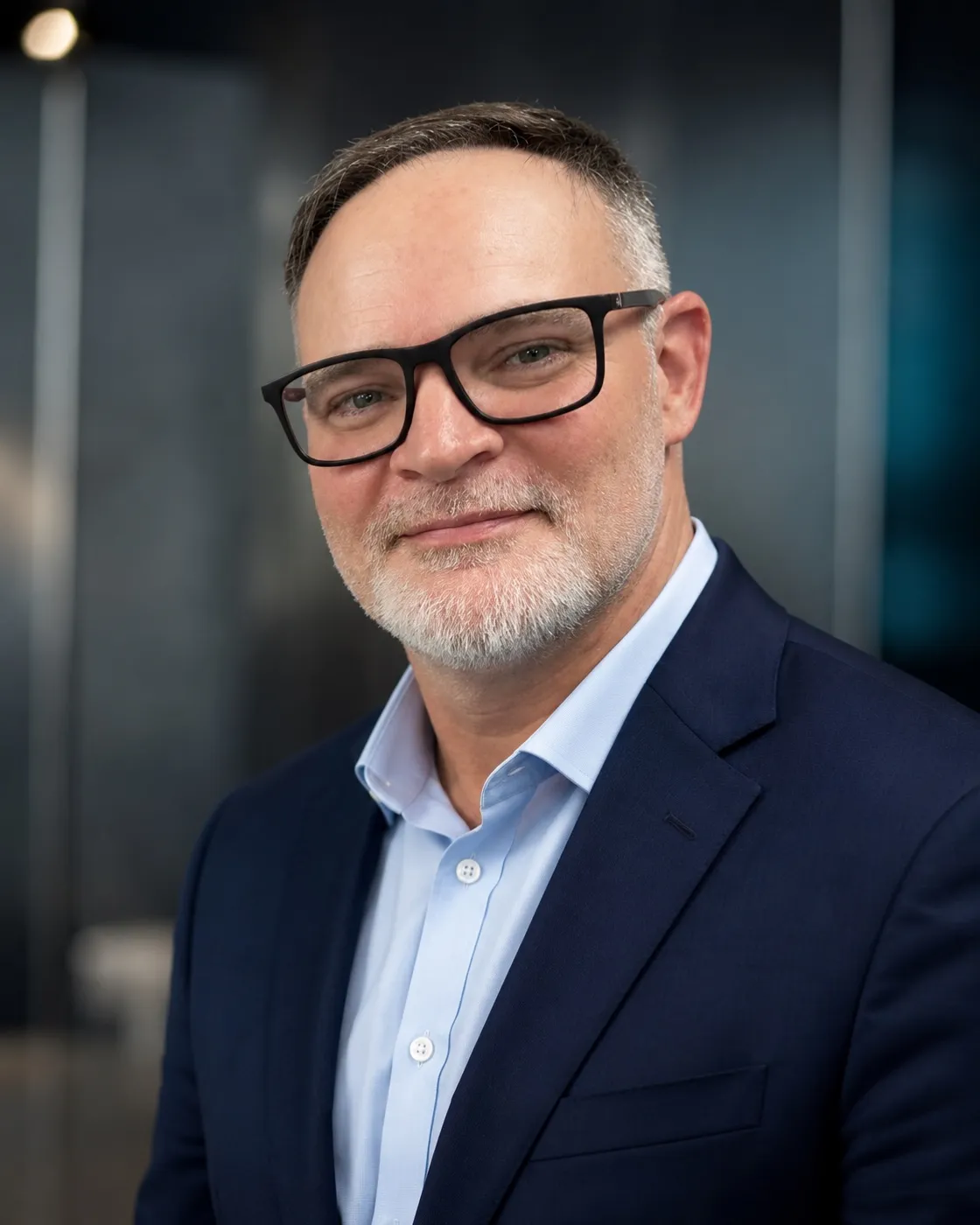
Operations, process engineering, and enterprise systems — now governed AI deployment. Architect of CATALIIST360.
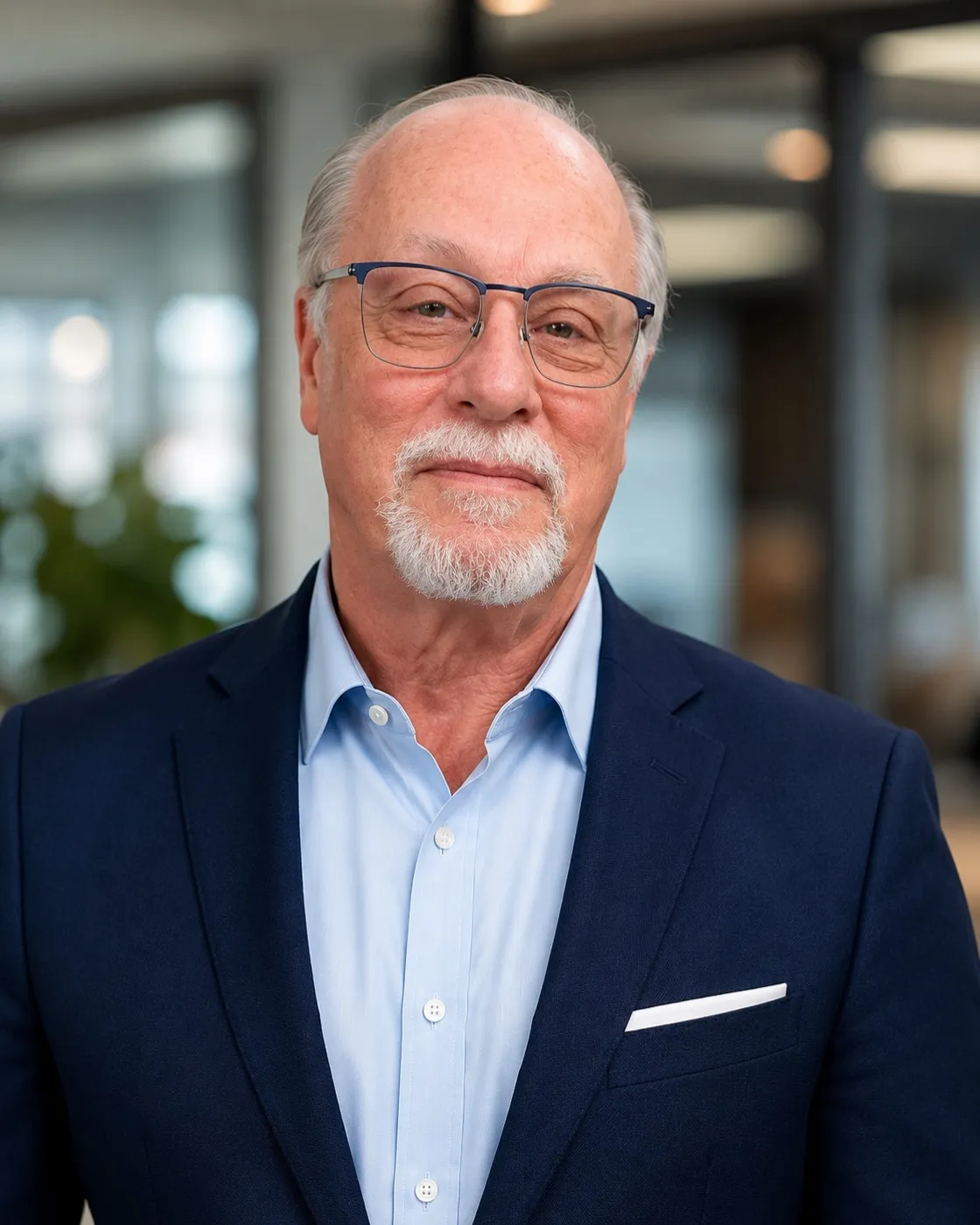
Executive coach and assessment architect. Built the CATALIIST 14 competency model.
Co-Founder & PartnerJosh Christian spent twenty-eight years on the operations and technology side of the enterprise before he ever built with AI. That order is the point.
He came up through operations and enterprise systems — PeopleSoft, Oracle Cloud HCM, Workday, Salesforce — implemented and lived with, not evaluated from a distance. In healthcare he worked in LEAN and Six Sigma process improvement: understanding why a process fails before deciding what to do about it. Running operations across a seven-office professional services firm, he helped take it from $2M to $12M in two years.
As a senior executive he has led human capital at scale across a $4.3B academic health enterprise, a $650M private-equity-backed behavioral health organization, and a $2B integrated academic health system — rebuilding HR from the ground up, integrating acquisitions, negotiating collective bargaining agreements, directing a $13.9M budget. The record is specific: $4.6M out of contract labor, $5M+ from an organizational redesign, every outstanding union grievance resolved within ninety days of taking the CHRO seat. Earlier tenures with HRD Strategies added executive consulting and fractional CHRO work.
Then he learned to build with AI — and where not to. The process discipline comes first: diagnose the workflow before automating it, because automating a broken process only produces the wrong answer faster. What he builds is production work, not demos — CATALIIST360 shipped and running, governed Microsoft Copilot advisory agents deployed inside live enterprises, paper processes replaced by systems that hold up. He runs a multi-model practice — Claude, GPT, Gemini, Copilot, Grok — orchestrated by task rather than vendor loyalty, under one rule that never moves: AI drafts, the human approves, the human stays accountable. At the University of Kentucky and UK HealthCare, that method let him work as a consultant of one alongside the UK leaders and staff who owned the transformation and made it hold.
The clearest proof is his own firm. Josh takes what Michael and Joe have spent careers building — the competency architecture, the leadership framework — and rebuilds it AI-native: working systems, not reprinted PDFs. He is doing the same from the studs with an industrial maintenance and sanitation company. Most firms selling AI transformation aren’t running one.
MBA, Gardner-Webb University. BS, Appalachian State University. SPHR, SHRM-SCP, and IBM’s Generative AI Engineering Professional Certificate.
Automating a broken process just gets you the wrong answer faster.
Co-Founder & PartnerMichael Lovett built the CATALIIST 14.
The competency model underneath every CATALIIST assessment, coaching engagement, and 360 report is his — and it comes out of nearly four decades of installing leadership systems inside real operating environments, not out of a literature review.
Michael started on the floor. An electrical engineering technology graduate of Oklahoma State University, he came up through aluminum, manufacturing, and industrial operations before pairing that experience with industrial psychology training. The combination is why his work survives contact with an operating business: he was solving production problems before he was designing competency frameworks.
He has spent more than three decades as an executive coach and organizational development leader — longtime Executive Vice President of HRD Strategies, a partner firm, with a term as interim chief human resources officer. The work has run through corporate turnarounds, bankruptcy workouts, and organizational restructurings — with ARCO, Fluor Daniel, Duracell, and Halstead Industries among them, and a joint venture spanning Duracell, Toshiba, and Varta. His signature move is converting traditional command-and-control management into team-based, high-performance work systems.
His technical core is selection and assessment: assessment center design, 360-degree feedback, executive and managerial profiling, strategic compensation, performance management, and succession. He is certified in the 360 Executive and Managerial Profilor, Assessment Center Design, the California Psychological Inventory, and Targeted Selection.
Michael and Joe Judge have worked together for years — first through Staub Leadership International during Joe’s tenure as president, and on joint engagements in the decades since. CATALIIST isn’t a new introduction for them. It’s the formalization of a long partnership.
Michael has also led organizational performance work with KnowledgeWorks, a Bill & Melinda Gates Foundation initiative; published the quarterly journal Employee Empower; and collaborated on Working Scared, a book written for managers leading through hard conditions.
We’ll begin with the visible problem, then trace the leadership, talent, operating, and AI conditions producing it.